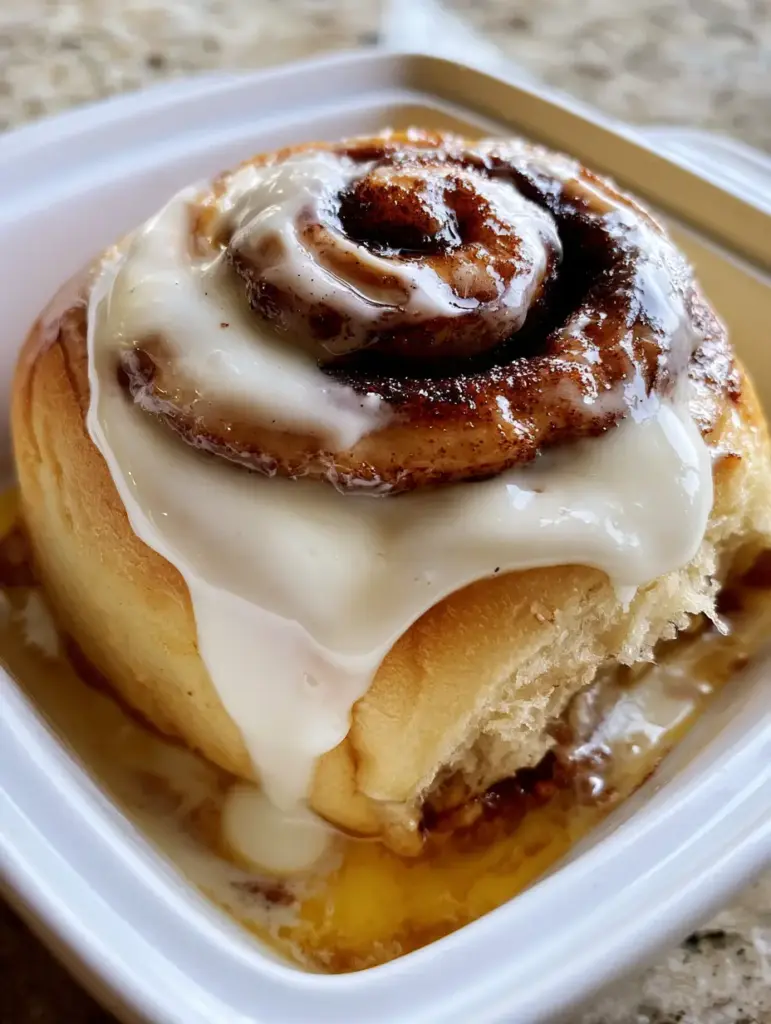
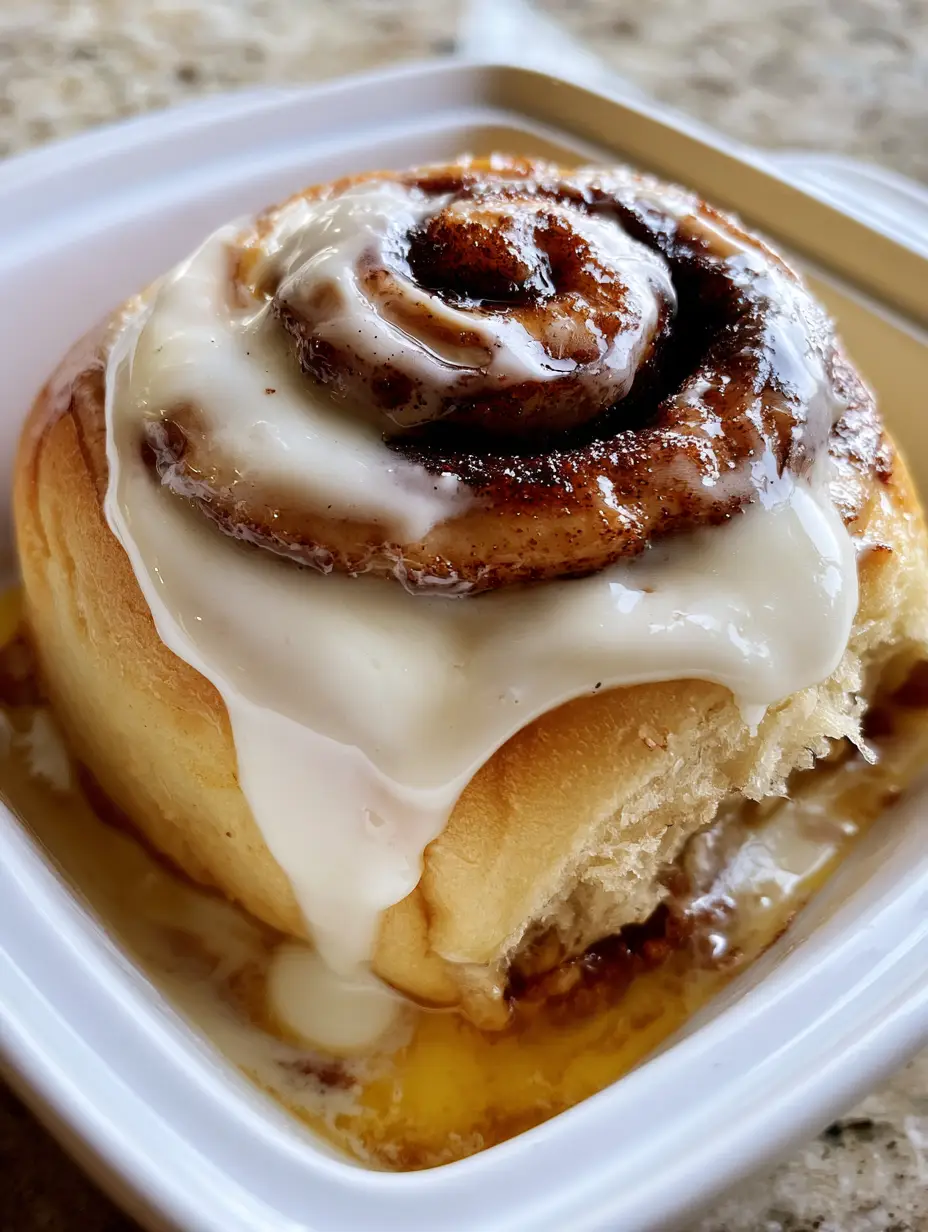
There is nothing quite like the sensory explosion of a fresh, giant cinnamon rolls recipe pulled straight from the oven. Imagine a pale golden-brown dough, so airy it feels like a cloud, swirling around a dark, glistening cinnamon-sugar center. As you lift a single roll from the white ceramic dish, a thick, velvety cream cheese frosting cascades down the sides, melting into the warm crevices. This isn’t just a breakfast; it’s a masterclass in texture, combining a pillowy crumb with a fudge-like, gooey bottom created by a rich, salted butter and heavy cream soak.
Achieving this level of bakery-quality perfection at home requires more than just luck; it requires understanding the science of yeast and moisture. The secret lies in the “soak” method, where warm heavy cream is poured over the rolls just before they hit the heat. This creates a luxurious pool of melted butter at the base, ensuring the bottom of every roll is as decadent as the center. Whether you are a seasoned baker or a curious novice, this guide will walk you through the nuances of creating the ultimate comfort food.
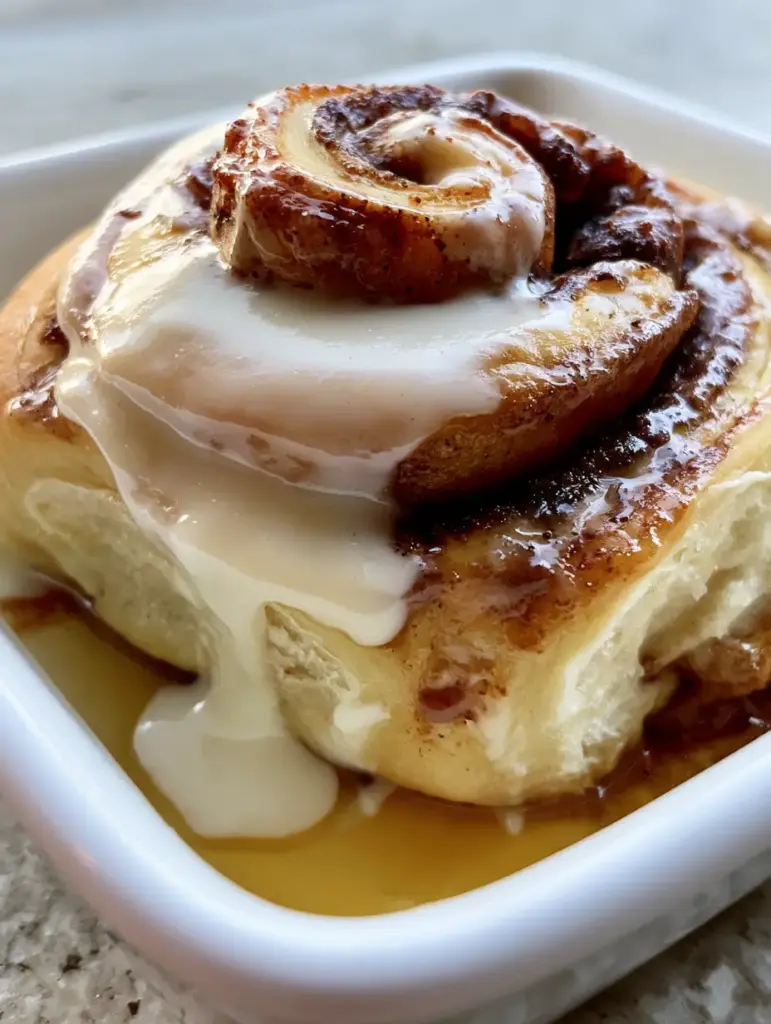
Why This Heavy Cream Soaked Cinnamon Rolls Recipe Works
- The “Fudge-Like” Bottom: By using a warm heavy cream soak, the bottom of the rolls braises in liquid, creating a dense, gooey texture that mimics the world’s most famous bakeries.
- Ultra-Pillowy Crumb: The enriched yeast dough is designed for maximum airiness, providing a soft contrast to the dark, intense cinnamon-sugar swirl.
- Velvety Drip Frosting: A thick cream cheese glaze that is specifically formulated to melt slightly into the warm layers without completely disappearing.
- Salted Butter Balance: The inclusion of melted salted butter in the pan provides a necessary savory counterpoint to the deep sweetness of the dark brown sugar.
The Essential Elements for the Fluffiest Yeast Dough
Warm Whole Milk (1 cup / 240ml): This provides the liquid base for our dough, and the fat content in whole milk ensures a tender, rich crumb. Ensure it is warmed to between 105°F and 115°F (40°C-46°C) to activate the yeast without killing it.
Active Dry Yeast (2.25 tsp / 7g): The leavening agent responsible for the “pillowy” lift. It consumes the sugars in the dough to produce carbon dioxide, creating those beautiful air pockets visible in the final bake.
Granulated Sugar (0.5 cup / 100g): This acts as food for the yeast and provides a base level of sweetness to the dough itself. It also aids in the browning process, helping us achieve that pale golden-brown finish.
Melted Salted Butter (0.5 cup / 115g): We use melted butter for the dough to ensure even distribution and a silky mouthfeel. Using salted butter adds a foundational layer of flavor that balances the upcoming sugar swirl.
Large Egg (1 unit): An enriched dough requires an egg to provide structure and extra richness. It helps the dough remain stable even as it expands significantly during the second proof.
Bread Flour (4 cups / 500g): While all-purpose flour works, bread flour has a higher protein content. This creates a stronger gluten network, which is essential for holding up the heavy cream soak without becoming soggy.
Fine Sea Salt (1 tsp / 5g): Never skip the salt in bread dough. It tightens the gluten structure and enhances the natural buttery notes of the rolls.
The Dark Cinnamon-Sugar Swirl & Soak
Dark Brown Sugar (1 cup / 200g): The molasses in dark brown sugar is what creates that “dark, glistening” appearance in the swirls. It provides a deep, caramel-like flavor that light brown sugar simply cannot match.
Ground Cinnamon (2.5 tbsp / 20g): A generous amount of high-quality cinnamon is required to provide the aromatic punch. It blends with the sugar to form the signature dark layers.
Heavy Whipping Cream (0.5 cup / 120ml): This is the game-changer. Poured warm over the risen rolls, it steams the dough from the bottom up, resulting in a texture that is incredibly tender and moist.
Room Temperature Butter (0.5 cup / 115g): This is spread across the rolled-out dough to act as the “glue” for your cinnamon-sugar mixture. If you love variety, you might also enjoy experimenting with decadent bourbon-spiked variations for a smoky twist.
Must-Have Tools for Bakery-Style Results
To achieve the “giant” roll look, you need a high-walled ceramic or glass baking dish. Ceramic is preferred as it distributes heat evenly, preventing the edges from browning too quickly while the centers stay raw. A sharp serrated knife or even unflavored dental floss is necessary to cut the dough without squishing the air pockets.
A stand mixer with a dough hook is highly recommended. While you can knead this cinnamon rolls recipe by hand, the dough is quite tacky due to its enrichment, and a mixer ensures a perfectly smooth, elastic result without the temptation to add too much extra flour. Finally, a digital thermometer is your best friend to ensure your milk and cream are at the perfect temperatures.
The Step-by-Step Path to Pillowy Perfection
Activating the Yeast and Preparing the Base
Start by whisking your warm milk (1 cup / 240ml) and granulated sugar (0.5 cup / 100g) in the bowl of your stand mixer. Sprinkle the yeast (2.25 tsp / 7g) over the top and let it sit for about 5-10 minutes. You are looking for a foamy, bubbly surface; this is a sensory cue that the yeast is alive and ready to work.
Once foamy, add your melted salted butter (0.5 cup / 115g) and the egg. Whisk until combined. The mixture should look pale yellow and smell slightly sweet and yeasty. If your yeast doesn’t foam, discard and start over—dead yeast will result in dense, flat rolls rather than the pillowy ones we desire.
Kneading for Structure and Airiness
Switch to the dough hook and add your bread flour (4 cups / 500g) and sea salt (1 tsp / 5g). Knead on low speed for 5-7 minutes. Watch the dough: it should start to pull away from the sides of the bowl but still remain slightly tacky to the touch. It should look smooth and supple, not dry or shaggy.
Place the dough in a greased bowl, cover with a damp cloth, and let it rise in a warm spot for 1-1.5 hours. You are waiting for the dough to double in size. A successful rise is the first step toward that airy, tender texture seen in our visual blueprint.
Creating the Dark Glistening Swirls
Punch the dough down to release excess air. On a lightly floured surface, roll the dough into a large rectangle, roughly 12×18 inches (30x45cm). Spread the room temperature butter (0.5 cup / 115g) edge to edge. Mix your dark brown sugar (1 cup / 200g) and cinnamon (2.5 tbsp / 20g) and sprinkle it generously over the butter.
Roll the dough tightly into a log, starting from the long edge. Use dental floss or a serrated knife to cut into 12 even, giant rolls. Place them in your ceramic dish. For those who enjoy smaller treats, you might consider our cinnamon-spiced muffin alternative for a quicker morning fix.
The Heavy Cream Soak Technique
Cover the rolls and let them rise a second time for 30-45 minutes until they are touching and look puffy. While they rise, preheat your oven to 350°F (175°C). Warm your heavy cream (0.5 cup / 120ml) slightly in the microwave for 20 seconds—it should be warm, not hot.
Pour the warm heavy cream carefully into the gaps between the rolls. This liquid will be absorbed during the bake, creating that fudge-like texture at the bottom. Bake for 25-30 minutes. Look for a pale golden-brown top; do not overbake, or you will lose the “pillowy” quality.
Crafting the Thick Velvety Cream Cheese Glaze
While the rolls bake, whisk together softened cream cheese (4 oz / 115g), softened butter (0.25 cup / 55g), powdered sugar (1.5 cups / 180g), and a splash of vanilla. The texture should be thick and velvety, capable of a “mid-drip” hold. For a contrast in your baking repertoire, you might also like these chewy homemade cookies for your next dessert night.
Spread the frosting over the rolls while they are still warm. This allows the frosting to melt slightly into the dark cinnamon-sugar layers, creating the glistening effect described in our visual prompt. The result is a hyper-realistic, bakery-style masterpiece.
Expert Tips for Cinnamon Roll Success
- Room Temp Everything: Ensure your egg, butter, and cream cheese are at room temperature. This prevents the dough from being shocked and ensures the glaze is perfectly smooth.
- Don’t Over-Flour: If the dough is sticky, resist the urge to dump in more flour. A wetter dough leads to a softer roll. Use just enough flour on your hands to handle it.
- The Floss Method: Using a knife often squishes the rolls, ruining the spiral. Slide a piece of unflavored floss under the log, cross it over the top, and pull quickly for a clean, professional cut.
- Warmth is Key: If your kitchen is cold, let your dough rise in an oven that is turned OFF but has the oven light turned on. This provides a consistent, gentle warmth.
Storage, Reheating, and Freezing Advice
These rolls are best enjoyed fresh, but they store well in an airtight container at room temperature for up to 2 days or in the fridge for 5 days. To reheat, microwave for 20-30 seconds to restore that “pillowy” softness. You can also freeze the baked rolls (without frosting) for up to 3 months. Thaw overnight and warm in a 300°F (150°C) oven before glazing.
What to Serve With This Decadent Breakfast
Balance the sweetness of this cinnamon rolls recipe with savory or fresh sides. A hot cup of coffee is standard, but you might also consider freshly pressed fruit juices for a bright morning start. If you are hosting a brunch, these rolls pair beautifully with a savory protein-packed bowl or even a light fruit salad featuring warm baked apple slices.
Frequently Asked Questions
Absolutely. After cutting the rolls and placing them in the pan, cover and refrigerate overnight. In the morning, let them come to room temperature and rise before adding the cream and baking.
Yes, you can, but bread flour contains more protein which helps create a stronger structure. This is better for holding up the moisture from the heavy cream soak without the rolls becoming mushy.
Proof it in warm milk and sugar. If it doesn’t become foamy and bubbly within 10 minutes, the yeast is dead and your rolls will not rise properly.
The heavy cream soak creates a steam-like environment in the oven, making the rolls extra pillowy and creating a gooey, fudge-like syrup at the bottom of the pan with the melted butter and sugar.
Dry rolls usually come from adding too much flour during the kneading process or overbaking. Ensure the dough is still slightly tacky before the rise and aim for a pale golden-brown finish.
The Ultimate Giant Pillowy Cinnamon Rolls Recipe
Cinnamon Rolls Recipe: The Secret to Giant Pillowy Rolls with a Heavy Cream Soak
Ingredients
Equipment
Method
- Combine warm milk, sugar, and yeast in mixer bowl. Let sit until foamy (10 mins).
- Add melted butter, egg, flour, and salt. Knead with dough hook for 5-7 minutes until smooth and elastic.
- Place in greased bowl, cover, and let rise in a warm spot until doubled (1.5 hours).
- Roll dough into a 12x18 inch rectangle. Spread with softened butter and sprinkle with cinnamon sugar.
- Roll tightly, cut into 12 giant rolls using floss. Place in ceramic dish and rise again for 45 minutes.
- Pour warm heavy cream over the risen rolls and bake at 350°F (175°C) for 25-30 minutes until pale golden-brown.
- Whisk glaze ingredients until velvety. Spread over warm rolls so it drips into the swirls.
Notes
Warming the heavy cream ensures you don't shock the dough before baking.
Closing & Call to Action
Mastering this cinnamon rolls recipe is a surefire way to become the hero of your household. The combination of the heavy cream soak and the dark brown sugar swirl creates a flavor profile that is unmatched in depth and texture. If you enjoyed this guide, please leave a comment below and let us know how your rolls turned out! Don’t forget to share your pillowy creations and follow us on Pinterest for more culinary inspiration.