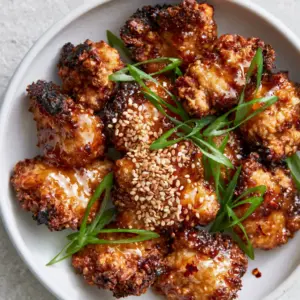
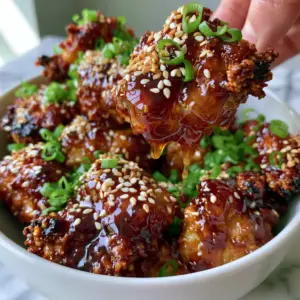
If you have been searching for a dinner that transports your taste buds straight to a sun-drenched beach in Oahu, this Huli Huli Chicken is the answer. The term “huli” literally means “turn” in Hawaiian, referring to the traditional method of rotating the bird over an open flame.
Our version captures that authentic spirit using a high-heat roasting technique that produces large, succulent chicken thighs with crispy, blistered skin drenched in a thick, mahogany-colored glaze. Every bite is a balance of salty soy, sweet pineapple, and a hint of ginger heat.
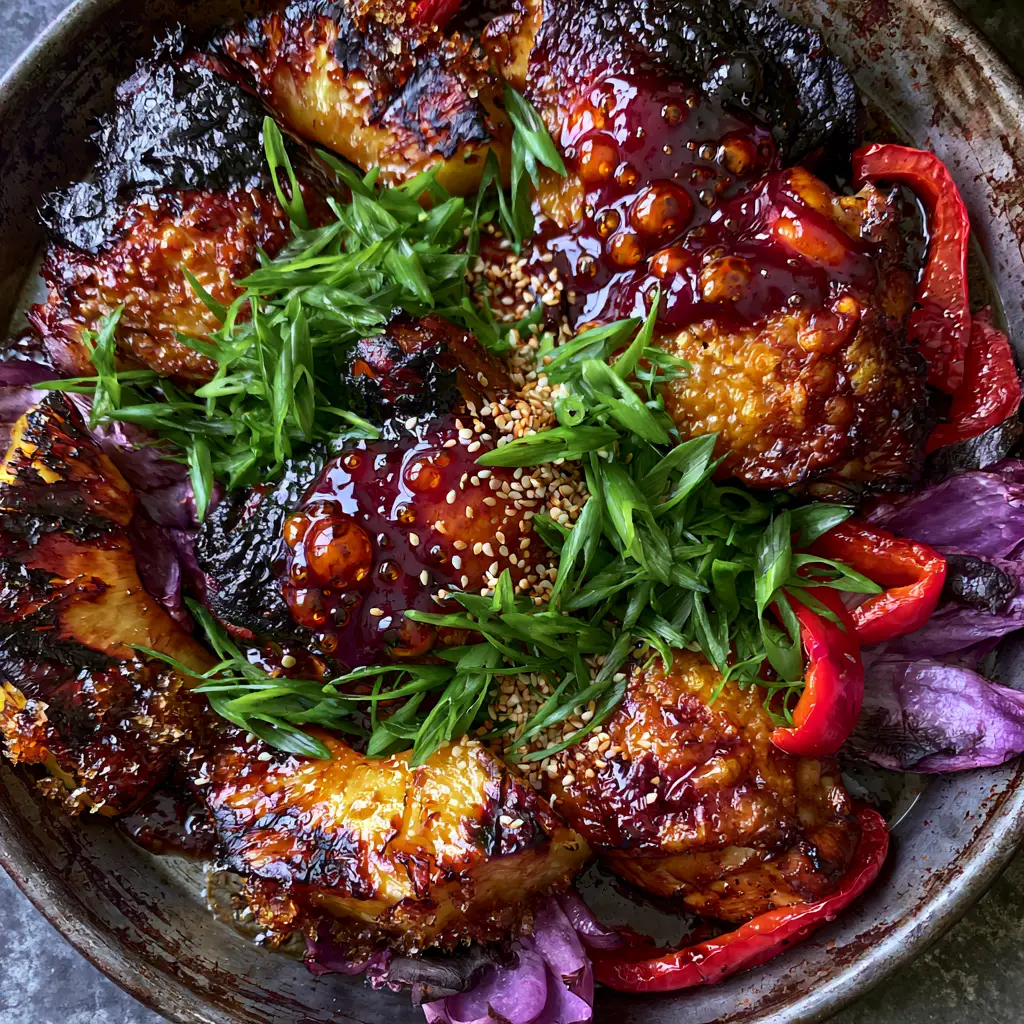
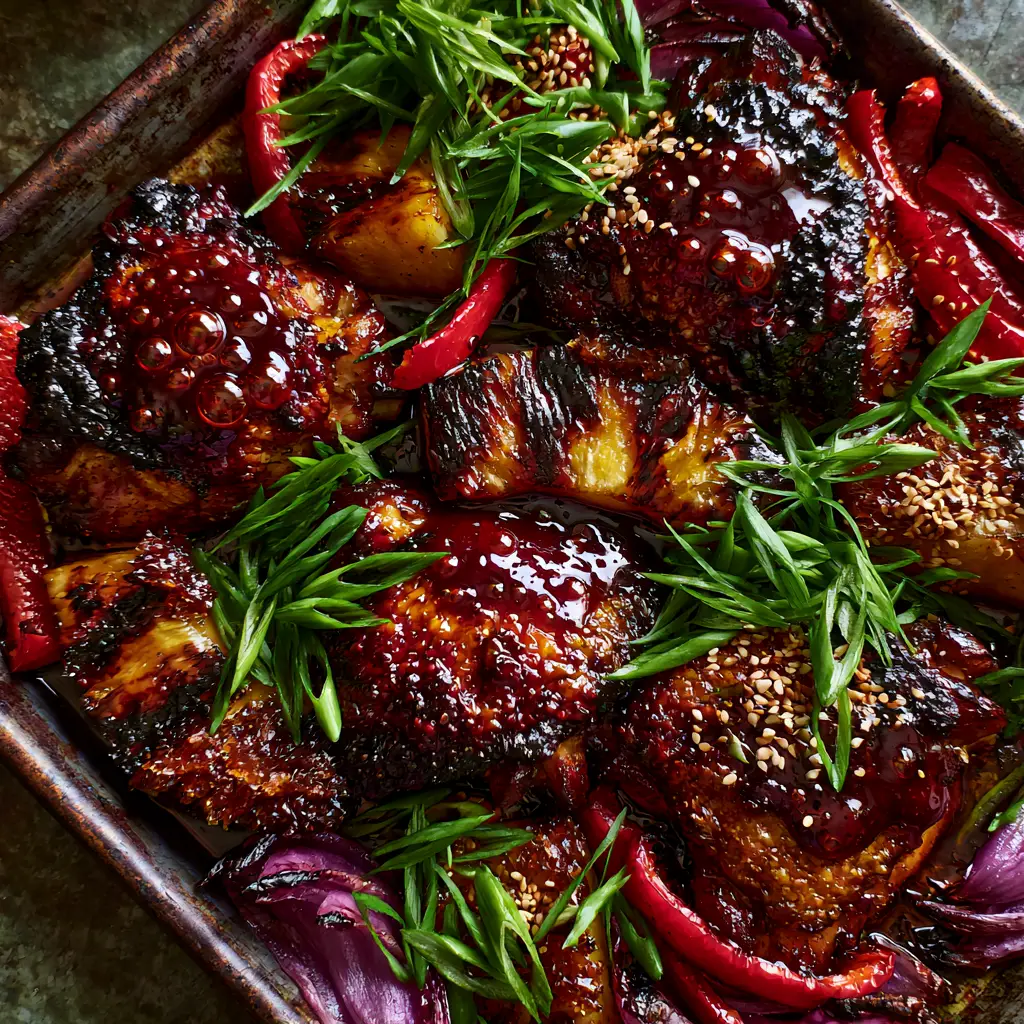
As you pull the rustic metal sheet pan from the oven, you will see the viscous, syrupy sauce pooling slightly, with visible bubbles and caramelized dark edges that promise deep, complex flavors. It is a visual and sensory masterpiece that rivals any classic honey-glazed dish in your rotation.
Why This Hawaiian BBQ Masterpiece Works
- The Mahogany Glaze: A thick, syrupy reduction that clings to the skin, creating a glossy, deep-red finish that looks as good as it tastes.
- Caramelized Tropical Fruits: Thick wedges of fresh pineapple are roasted until they develop dark brown scorched grill marks and sparkling caramelized sugar crystals.
- Charred Aromatics: Vibrant red bell pepper strips and soft, charred purple onion petals provide a savory contrast to the sweet Hawaiian BBQ sauce.
- Textural Harmony: A heavy scattering of freshly sliced bright green scallions and toasted white sesame seeds adds a satisfying crunch and freshness to the rich meat.
What You Will Need for the Perfect Mahogany Glaze
Skin-on Chicken Thighs: You need 6-8 large thighs to ensure enough surface area for that blistered, mahogany skin. The fat from the skin renders out, mixing with the glaze to create “scorched sauce droplets” on the pan.
Fresh Pineapple Wedges: Use a whole pineapple sliced into 1-inch (2.5cm) wedges. Fresh fruit is essential because the natural sugars caramelize far better than canned versions under high heat.
Unsweetened Pineapple Juice: 1 cup (240ml) serves as the base of our sauce, providing the acidity needed to tenderize the meat and create that iconic Hawaiian profile.
Soy Sauce & Brown Sugar: 1/2 cup (120ml) of soy sauce and 1/2 cup (100g) of packed brown sugar form the “sticky” foundation of the Huli Huli Chicken marinade. The sugar is what creates those beautiful caramelized dark edges.
Aromatics (Ginger & Garlic): 2 tbsp (30g) of freshly grated ginger and 4 cloves of minced garlic. These “invisible” ingredients provide the aromatic backbone that balances the sweetness.
Red Bell Peppers & Purple Onions: 2 large peppers and 1 large onion. These veggies should be sliced into thick strips and petals so they don’t disintegrate during the roasting process.
Finishing Accents: Toasted white sesame seeds, red chili flakes, and a generous bunch of scallions. These provide the visual “pop” described in our culinary blueprint.
Essential Tools for Sheet Pan Success
To achieve the look of a professional handheld smartphone photo, you need a heavy-duty, dark rustic metal sheet pan. A dark pan absorbs more heat, which is the secret to getting those scorched sauce droplets and charred onion edges.
You will also need a pastry brush for frequent basting—the “huli” part of the process—and a high-heat meat thermometer to ensure the chicken remains succulent while the glaze reaches its syrupy peak.
How to Master the Huli Huli Basting Technique
1. Prepare the Signature Marinade
In a medium bowl, whisk together the pineapple juice, soy sauce, brown sugar, ketchup, ginger, and garlic. Reserve 1/2 cup (120ml) of this liquid to use as your final basting glaze later.
Marinate the chicken thighs for at least 2 hours, though overnight is better. This ensures the flavor penetrates deep into the meat, much like a well-prepared Asian-inspired marinade.
2. High-Heat Searing and Roasting
Preheat your oven to 425°F (220°C). Arrange the chicken thighs skin-side up on the dark sheet pan, interspersed with the pineapple wedges, red bell pepper strips, and purple onion petals.
Roast for 20 minutes. You will hear the fat rendering and see the skin starting to blister. This is the foundation of the texture we are looking for.
3. The Basting Phase (The “Huli” Moment)
Remove the pan and brush the chicken and pineapple generously with the reserved glaze. Return to the oven for another 10-15 minutes.
Look for the visual cue: the glaze should be bubbling vigorously and turning a deep mahogany color. The pineapple should show dark brown scorched grill marks where it touches the hot metal.
4. The Final Char
If the skin isn’t “blistered” enough, kick the broiler on for 2 minutes. Watch closely! You want caramelized dark edges, not burnt meat. The sauce should be viscous and syrupy, pooling slightly around the charred onion petals.
Expert Tips for the Most Succulent Results
- Pat the Skin Dry: Before marinating, pat the chicken skin with paper towels. This helps the glaze adhere and encourages the skin to become crispy rather than rubbery.
- Crowd the Pan Correctly: Don’t overlap the chicken. Space the pineapple and peppers between the meat so the air can circulate, creating those specular highlights on the sticky glaze.
- Use a Dark Pan: As mentioned, a dark rustic pan helps create the scorched sauce droplets that are a hallmark of authentic Huli Huli Chicken.
- Don’t Skip the Chili Flakes: Even if you don’t like heat, a light dusting of red chili flakes cuts through the sugar and adds a professional visual finish.
What to Serve with Your Hawaiian BBQ
This dish is a complete meal on its own, but it pairs beautifully with a light, acidic side. Consider a cucumber onion tomato salad to cleanse the palate between bites of rich, glazed chicken.
If you are looking for more seafood-based tropical inspirations, you might also enjoy a baked pineapple salmon which utilizes a similar sweet-and-savory profile.
Storage and Reheating Guidelines
Huli Huli Chicken keeps exceptionally well in the refrigerator for up to 4 days. Store it in an airtight container to keep the mahogany glaze from drying out.
To reheat, use an oven or air fryer at 350°F (175°C) for 5-8 minutes. This helps maintain the crispy texture of the skin, whereas a microwave will make the glaze soft and the skin soggy.
Common Questions About Hawaiian Chicken
You can, but thighs are preferred because their higher fat content allows for the long roasting time needed to caramelize the mahogany glaze without drying out the meat.
While canned works in a pinch, fresh pineapple wedges contain natural sugars that create much better scorched grill marks and caramelized crystals under high heat.
The secret is the brown sugar and the reduction process in the oven. Basting the chicken multiple times creates layers of glaze that thicken into a mahogany syrup.
They are similar, but Huli Huli sauce typically includes pineapple juice and ketchup, giving it a tangier, more tropical profile than standard Teriyaki.
Huli means ‘turn.’ Traditionally, the chicken was cooked on a spit and turned constantly. In this recipe, we achieve the same effect by basting and roasting at high heat.
The Complete Huli Huli Chicken Recipe Card
Huli Huli Chicken: The Ultimate Glazed Hawaiian Sheet Pan Feast
Ingredients
Equipment
Method
- Whisk pineapple juice, soy sauce, brown sugar, ketchup, ginger, and garlic. Reserve 1/2 cup (120ml). Marinate chicken thighs in the rest for 2-12 hours.
- Preheat oven to 425°F (220°C). Place chicken on the sheet pan. Nestling pineapple wedges, pepper strips, and onion petals around the meat.
- Roast for 20 minutes until the skin begins to blister and fat renders.
- Brush reserved glaze over chicken and pineapple. Roast for 10-15 more minutes until the sauce is a thick mahogany color and chicken hits 165°F (74°C).
- Scatter scallions, sesame seeds, and chili flakes over the syrupy sauce before serving.
Notes
Always use fresh pineapple for the best caramelized sugar crystals.
Join the Flavorvale Community!
Did this Huli Huli Chicken bring a taste of the islands to your kitchen? We would love to hear how your mahogany glaze turned out! Leave a comment below and let us know your favorite side dish pairing.
Don’t forget to follow us on Pinterest for more vibrant, high-heat roasting recipes. Pin this to your “Island Flavors” board so you never lose the secret to that perfect blistered chicken skin!